To: Shropshire council
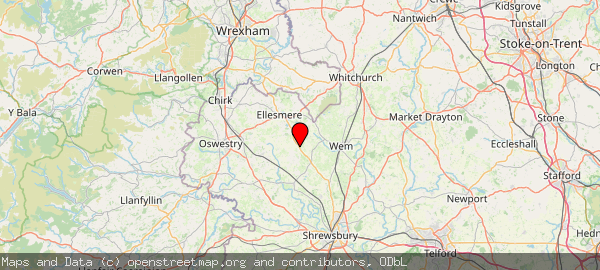
Traffic Calming and Speed Reduction Measures Outside Cockshutt C of E School

Reduce the speed limit on the main road through Cockshutt to 20 mph and implement appropriate traffic-calming measures outside the school to improve safety and enable pedestrians to cross the road more safely.
Why is this important?
Protecting Children’s Safety
Children are less able to judge vehicle speed and distance accurately, and they can act unpredictably near roads. Lower vehicle speeds significantly reduce both the likelihood of a collision and the severity of injuries if one occurs. At 20mph, drivers have more time to react, and stopping distances are considerably shorter than at 30mph.
2. Reducing the Severity of Injuries
Research consistently shows that pedestrians struck at 20mph are far more likely to survive than those hit at higher speeds. Even a small reduction in average speed can make a substantial difference in injury outcomes.
3. Improving Crossing Opportunities
Traffic calming measures—such as raised tables, speed cushions, clearer signage, or pedestrian crossings—slow vehicles consistently rather than relying solely on signage. This makes it easier and safer for children, parents, and staff to cross the road, particularly during busy drop-off and pick-up times.
4. Encouraging Walking and Cycling
A safer road environment encourages more families to walk or cycle to school. This reduces congestion at peak times, improves air quality, and promotes healthier lifestyles.
5. Supporting the Wider Community
Lower speeds create a calmer, more community-focused environment. They reduce noise, increase driver awareness, and make the area feel safer for all residents—not just during school hours.
6. Aligning with Best Practice
Many local authorities now implement 20mph zones around schools as standard road safety practice, recognising the heightened risk in areas with high child pedestrian activity.
Overall, introducing a 20mph limit and appropriate traffic calming measures outside Cockshutt School is a proactive, preventative step that prioritises child safety, reduces risk, and supports the wellbeing of the whole community.