1,000 signatures reached
To: Amy Rees CB, Chief Executive Officer, Homes England
Homes England: Answer the Regent House Complaint
Provide a full substantive response to the Regent House complaint, explain Homes England’s findings and actions, and set out what will change as a result.
Why is this important?
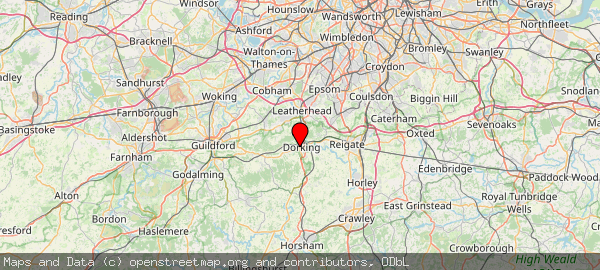
We became involved because Regent House in Dorking was a known nesting site for Common Swifts - birds that return to the same nesting places year after year.
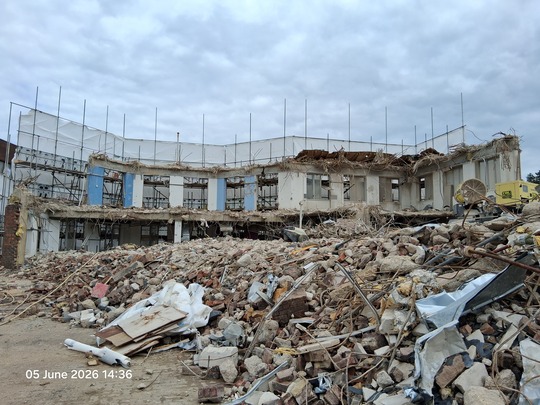
When demolition moved into the 2026 breeding season, we were deeply concerned that the safeguards intended to protect nesting birds had not been properly followed.
The approved Construction Environmental Management Plan required a nesting-bird check of the buildings and vegetation less than 48 hours before removal. But the records we have seen have never convincingly shown that an appropriate building-focused ecological check took place immediately before demolition.
That matters because this was the moment when the birds needed protecting.
Once a nesting structure has been demolished, no amount of paperwork, meetings, retrospective reports or future mitigation can recreate the opportunity to protect the birds that were using it.
We have spent months trying to understand what happened and asking the organisations involved to account for their decisions. Homes England became involved because of its funding and oversight role, and we submitted a formal complaint asking it to explain how the environmental incident was handled and what action followed.
Around ten weeks later, we are still waiting for a substantive response.
For us, this is about more than one building.
Common Swifts are now on the UK Red List of Birds of Conservation Concern. Their nesting places are disappearing, and once established colonies are lost they can be extremely difficult to replace.
Environmental safeguards only mean something if they are followed at the point when they can actually prevent harm.
We are asking Homes England to answer the complaint, explain what it found, and tell the public what will change as a result.
The birds cannot ask those questions themselves.
So we are asking them.