-
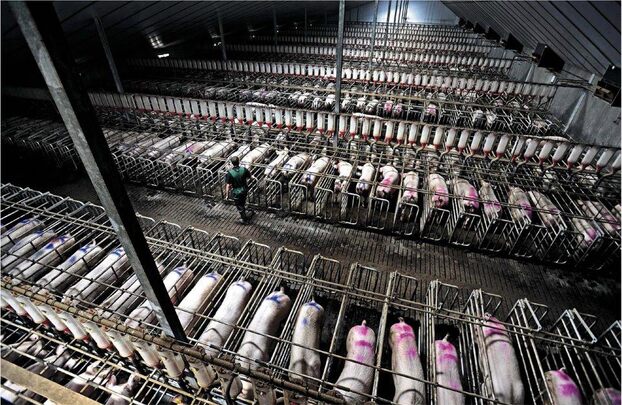 Factory farming should be abolished!Whether we farm animals for food, use them for recreation, or keep them as pets, we need to make sure they are properly looked after. This requires more than simply protecting them from cruelty. We need to meet their needs for food, water and living space, protect them from disease, and create a healthy and stress-free living environment for them. When we slaughter animals for food, we need to ensure that, as far as possible, they have calm, painless deaths.250 of 300 SignaturesCreated by Thomas Robinson
 -
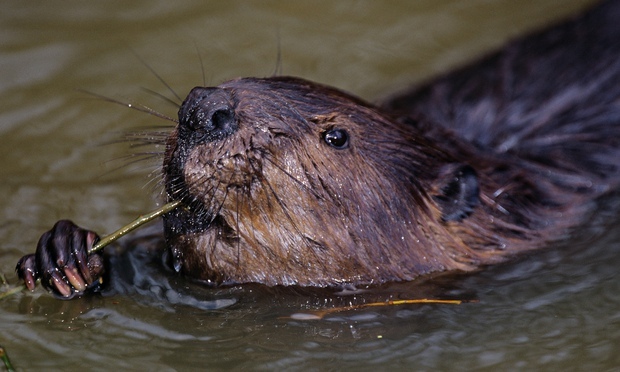 Freedom for the Wild BeaversPlease sign and share this petition to save the first beavers who somehow managed to arrive in the UK and set up home. An article in the Guardian said... The future looks gloomy for the first wild group of beavers to be spotted in England for around 500 years after the government revealed it intended to trap the dam-building critters. To the delight of animal lovers, video footage proved the existence of a family of beavers apparently thriving in the River Otter in Devon earlier this year. But the government announced on Monday that it was planning to capture the animals and find a new home for them in a zoo or wildlife park. In a written parliamentary answer, George Eustice, a minister in the Department for Environment, Food and Rural Affairs (Defra), said: "We intend to recapture and rehome the wild beavers in Devon and are currently working out plans for the best way to do so. All decisions will be made with the welfare of the beavers in mind. There are no plans to cull beavers" Please sign and share this petition. We can make a difference with a simple signature.211 of 300 SignaturesCreated by Vanessa Fowler
 -
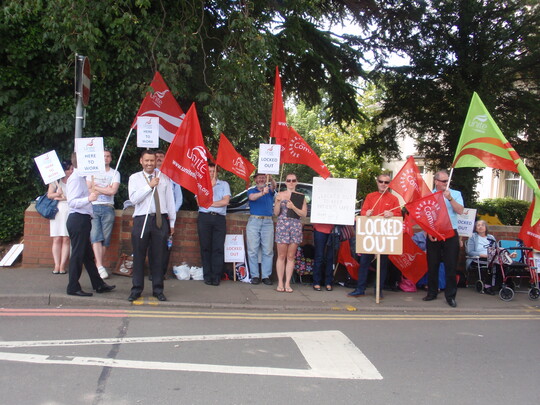 Northampton General Hospital Pathology staff locked out.Biomedical Scientists working in the Pathology Department at Northampton General Hospital have been involved in a bitter year long dispute over changes to their shift patterns and payments. This involved plans to sack and re-engage them resulting in payments for out-of-hours being slashed by 80% and a doubling of night time shifts. Consequently Unite members voted to take industrial action, short of strike, at 00:01 on Thursday 26th June. However, when the 78 Biomedical Scientists turned up for work at 9am they were barred from entering the workplace unless they were prepared to sign that they would not participate in industrial action. They have been 'locked out' since and Unite has accused the hospital Management of a disgraceful abuse of power in retaliation for the laboratory staff exercising their legal right to take industrial action. Currently the service is being provided by a handful of poorly trained locums and non-laboratory based managers with many tests being out sourced to other laboratories. The cost of this may reach up to £1 million a year and the staff believe the service is no longer safe. Unite is calling on the Trust to abandon it's bully-boy tactics and to sit down with ACAS to settle the dispute.214 of 300 SignaturesCreated by Derek Millard
 -
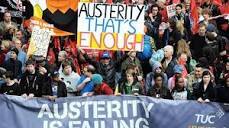 Marches Against Austerity Must Be shown on NewsSix thousand people complained to the BBC that it completely ignored the march against austerity in London on its National News. The excuse given on 'Points of View' - 'We choose which stories we cover based on how newsworthy they are and what else is happening...' The BBC is clearly showing its Tory bias by ignoring the march of 50,000 people. It's time for change at the top of the BBC.356 of 400 SignaturesCreated by Annie Weatherly-Barton
 -
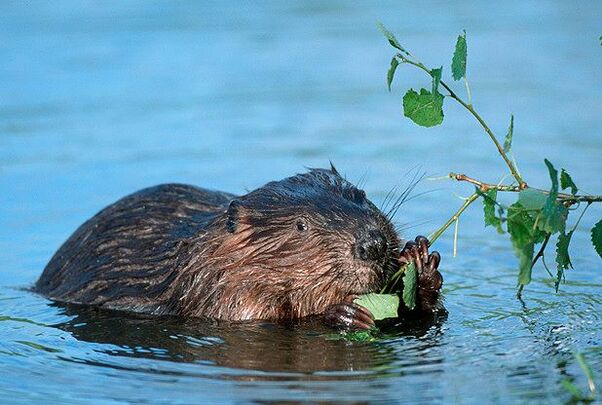.jpg) Save the Free Beavers of EnglandThe beaver is the most important, formerly native, animal to Britain that could create landscapes that protect our native plants and animals. They also save taxpayers money in water treatment and flood management costs. The beaver was hunted to extinction and we have a duty to bring them back to our rivers. The effects of beavers will improve water quality, reduce flooding and help turn our river banks back into wildlife havens. This is resisted by some groups who want to exploit our river banks for private gain or fear change in the countryside. Free the beaver - Join the campaign group on: Facebook: https://www.facebook.com/groups/savethebeaver/ twitter @CastorAnglicus https://twitter.com/CastorAnglicus See recent Article in Guardian: http://www.theguardian.com/environment/georgemonbiot/2014/jul/04/stop-control-freaks-capture-englands-wild-beavers The Free Beavers of Devon A decision has been made at the most senior levels of DEFRA, probably a ministerial decision to remove the free beavers living on the river Otter in Devon. Officials from the Animal Health and Veterinary Laboratories Agency AHVLA- Defra have been instructed to find out how to do this and if possible rehome the beavers in a Zoo, but possibly kill them if not. Who wants to get rid of the beavers? The political force is coming from Conservative ministers with pressure from the Angling Trust & some other groups who fear beaver’s impact on land & lifestyle. Why: Some groups are scared beavers will change rivers and supress fishing – the best scientific evidence clearly shows this is wrong and beavers enhance fish stocks and make rivers better for wildlife Beavers in the rest of the UK: There are probably 300 beavers living wild in the UK in over 10 populations, mostly in Scotland, but a few in places in England and wales. How can we stop this? The decision is made and attempts to trap the beavers are only a few weeks away – 1. Sign the petition: https://you.38degrees.org.uk/petitions/save-the-free-beavers-of-england 2. write to your MP and tell them to stop 3. Write to the Government minister involved, Lord DeMauley: [email protected] What are the ‘Save the Free Beavers of England’ group doing?’ A broad alliance of wildlife groups led by the Charities: Devon Wildlife Trust & Wildwood Trust are campaigning for a change in policy to test the beavers to ensure they have no parasites and to monitor and mitigate any affects the beavers have to local landowners and river users. This has been rejected by DEFRA at the behest of ministers. Many DEFRA officials and wildlife experts believe that monitoring is the best policy. Where Trapping has been carried out in Scotland it led to the death of a young beaver. At present we are: 1. Contacting local landowners and ask them to refuse permission for DEFRA officials coming on to their land, which they have the legal right to do. 2. Promote the case that testing and monitoring is the best course of action 3. Contacting zoos and animals parks to refuse DEFRA’s request to rehome the beavers, as the conditions will cause great stress to the beavers and caused the death of a young beaver when tried in Scotland. 4. Set up a team to monitor DEFRA officials to ensure they do not break the law or act in a way that will hurt the beavers’ welfare 5. Mount a legal challenge to this process: A. Breach of Habitats Directive: There is a very good chance the UK is in breach or the Habitats Directive, beavers are a European Protected Species, in the way they have treated beavers, not recognized that beavers have re-colonised the UK in the last 15 years and not put in a proper licensing and monitoring system. B. Animal welfare grounds – private prosecutions of individuals for any harm they bring to the beaver C. Judicial Review of the Governments actions in this decision Video of Wild Beaver Mother & Kit in the UK: http://youtu.be/ZoDZpZ8bckQ13,942 of 15,000 SignaturesCreated by Castor Anglicus
Save the Free Beavers of EnglandThe beaver is the most important, formerly native, animal to Britain that could create landscapes that protect our native plants and animals. They also save taxpayers money in water treatment and flood management costs. The beaver was hunted to extinction and we have a duty to bring them back to our rivers. The effects of beavers will improve water quality, reduce flooding and help turn our river banks back into wildlife havens. This is resisted by some groups who want to exploit our river banks for private gain or fear change in the countryside. Free the beaver - Join the campaign group on: Facebook: https://www.facebook.com/groups/savethebeaver/ twitter @CastorAnglicus https://twitter.com/CastorAnglicus See recent Article in Guardian: http://www.theguardian.com/environment/georgemonbiot/2014/jul/04/stop-control-freaks-capture-englands-wild-beavers The Free Beavers of Devon A decision has been made at the most senior levels of DEFRA, probably a ministerial decision to remove the free beavers living on the river Otter in Devon. Officials from the Animal Health and Veterinary Laboratories Agency AHVLA- Defra have been instructed to find out how to do this and if possible rehome the beavers in a Zoo, but possibly kill them if not. Who wants to get rid of the beavers? The political force is coming from Conservative ministers with pressure from the Angling Trust & some other groups who fear beaver’s impact on land & lifestyle. Why: Some groups are scared beavers will change rivers and supress fishing – the best scientific evidence clearly shows this is wrong and beavers enhance fish stocks and make rivers better for wildlife Beavers in the rest of the UK: There are probably 300 beavers living wild in the UK in over 10 populations, mostly in Scotland, but a few in places in England and wales. How can we stop this? The decision is made and attempts to trap the beavers are only a few weeks away – 1. Sign the petition: https://you.38degrees.org.uk/petitions/save-the-free-beavers-of-england 2. write to your MP and tell them to stop 3. Write to the Government minister involved, Lord DeMauley: [email protected] What are the ‘Save the Free Beavers of England’ group doing?’ A broad alliance of wildlife groups led by the Charities: Devon Wildlife Trust & Wildwood Trust are campaigning for a change in policy to test the beavers to ensure they have no parasites and to monitor and mitigate any affects the beavers have to local landowners and river users. This has been rejected by DEFRA at the behest of ministers. Many DEFRA officials and wildlife experts believe that monitoring is the best policy. Where Trapping has been carried out in Scotland it led to the death of a young beaver. At present we are: 1. Contacting local landowners and ask them to refuse permission for DEFRA officials coming on to their land, which they have the legal right to do. 2. Promote the case that testing and monitoring is the best course of action 3. Contacting zoos and animals parks to refuse DEFRA’s request to rehome the beavers, as the conditions will cause great stress to the beavers and caused the death of a young beaver when tried in Scotland. 4. Set up a team to monitor DEFRA officials to ensure they do not break the law or act in a way that will hurt the beavers’ welfare 5. Mount a legal challenge to this process: A. Breach of Habitats Directive: There is a very good chance the UK is in breach or the Habitats Directive, beavers are a European Protected Species, in the way they have treated beavers, not recognized that beavers have re-colonised the UK in the last 15 years and not put in a proper licensing and monitoring system. B. Animal welfare grounds – private prosecutions of individuals for any harm they bring to the beaver C. Judicial Review of the Governments actions in this decision Video of Wild Beaver Mother & Kit in the UK: http://youtu.be/ZoDZpZ8bckQ13,942 of 15,000 SignaturesCreated by Castor Anglicus -
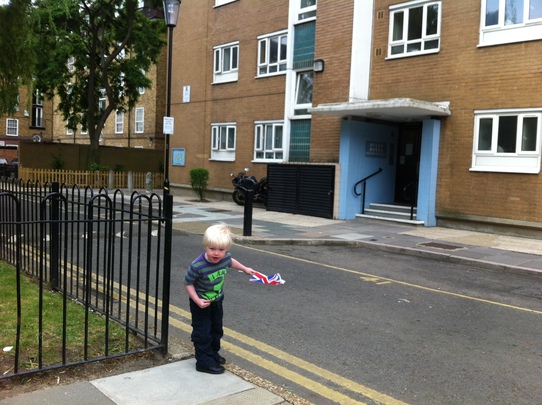 SAVE CREMORNE COUNCIL ESTATEA destruction of a wonderful peaceful close nit community in SW London. We believe Social Cleansing is taking part as we have been told residents will be moved to Dagenham east london. many residents are old and infirm ,others suffer health wise and there are many young families who enjoy the safe playgrounds and local health amminities. I believe there is a large element of profiteering taking place here the value of land here is astronomical and the government/council is seeking to steal from local people that land in order to profit for commercial gains other than transport. I feel this is totally symbolic of government policy and therefore can be used as a cause for all.107 of 200 SignaturesCreated by Mark Bishop
 -
 Stop the EU ban of cadmium in artist's paints.Cadmium pesticides are sprayed on food crops throughout Europe, and recently the VAT was lifted on cadmium based agricultural chemicals. To distract from this artists are being used as a scapegoat. Unlike farmers, artists have neither the lobbying power, influence or money to make sure their livelihood is protected. If elected representatives do not speak up, who will? Adequate restoration of many 20th century paintings will become impossible if this ban is enforced. Contemporary painters will have to use inadequate synthetic substitutes which are less permanent. Many artists will have to spend their later years restoring their own artworks as a consequence. There will be other severe economic consequences for artists and the value of contemporary and 20th century artworks. Banning cadmium paints will render several styles of painting impossible as there are no opaque red, yellow or orange colours to substitute for cadmium pigments. It is estimated that a mere 5% of cadmium paint is disposed of, and cadmium oil paints are (as oil does not break down in water) almost insoluble. Therefore the risks are minimal compared with its use in liquid pesticides. If this ban comes into effect an exemption for oil based paints would be sensible. Instead, it should be mandatory for local recycling services to allow and enforce the disposal of tubes and remnants of cadmium based paints in bags provided for batteries (most of which contain cadmium). I have saved to buy cadmium paints which are 3 times as expensive as the synthetic alternatives, and most other painters do so despite having low incomes. Many artists scrape the dry remains of these paints from their palette and rub them on the canvas to prevent waste and save money. If artists did not need to use cadmium based paints, why would they incur the extra cost and follow otherwise unnecessary safety precautions just to use these unique pigments? The answer is clear. They increase the quality of most paintings. Each painting I have sold has relied on the opacity of cadmium red or yellow oil paint, and this applies to many other artists. All of the safety issues can be easily overcome if this ban is prevented or amended. It is time for legislators, artists, art lovers and those with respect for the cultural and economic value of art to take action and PREVENT THIS BAN!595 of 600 SignaturesCreated by Josh Hollingshead
 -
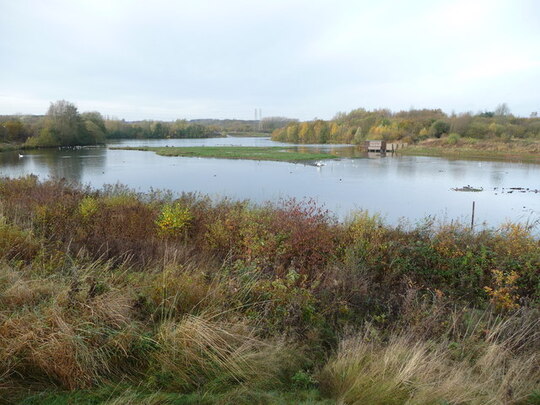 Stop car parking charges at Sandwell Valley Park.A lot of people use it as a open green space for walking and watching the wildlife. A lot of regular users come down three or four times a week, whilst one person uses it every day regardless of the weather. I'm fearful the council may close the park if people stop using it due to these charges.115 of 200 SignaturesCreated by Seumas Kelly
 -
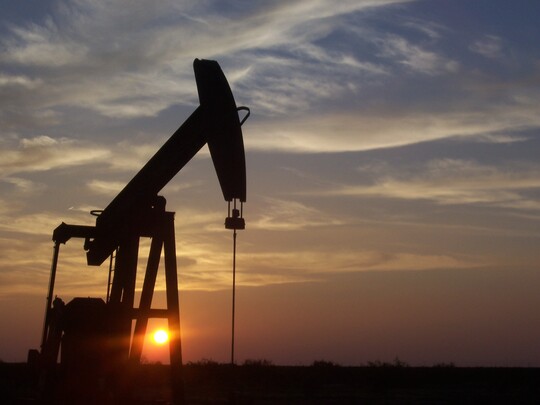 No Legal Duty to Pollute.The government appears to be attempting not only to undermine existing environmental legislation in general ,but now want to make it law that UK oil reserves MUST be exploited to their full. This ,at a time when known oil reserves are many times more than the biosphere can absorb before dire consequences follow. This looks like an attempt to force a narrow and divisive policy on the British people whether they want it or not. Such a move is lunacy with what we all now know, and a direct attack on the healthy future of ourselves and many of Earth's lifeforms. For more information : http://www.monbiot.com/2014/06/26/a-legal-duty-to-maximise-greenhouse-gases/ Please consider e-mailing your local MP on this issue as well, if you live in the UK2,624 of 3,000 SignaturesCreated by Simon Barton
 -
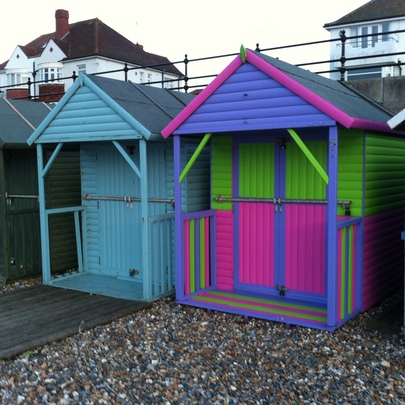 Second Home LevySecond homes are no longer acceptable in rural and coastal communities that have severe housing shortages. Less than two thirds of the homes the South West needs each year are being built and the lack of supply is pushing up the region's house prices and rents. In Dorset the average house price is £261k. To get an 80% mortgage the required annual income is 14 times greater than the average £18.5k Across the South West, 21,500 new households are expected to form each year between 2013 and 2021 Private rents are expected to rise by 40% in the South West by 2020 The average house price in the region in 2012 was £225,001 - 55% higher than the average for 2002. Wages in the South West have risen by just 26% over the same period Every new home built in the South West adds £77,000 to the regional economy 1.8 jobs are created directly and in the wider regional economy for every new home built in the South West.211 of 300 SignaturesCreated by Sean Geraghty
 -
 Protect our remaining Ancient WoodlandIt covers only 2% of the UK and is the most valuable habitat for wildlife that we have in the UK. It is not fully protected at the moment because of loopholes in planning and short term government thinking. 440 ancient woods are at risk right now. These trees have breathed life into Britain for decades.262 of 300 SignaturesCreated by Hannah Semple
 -
 Legalise CannabisCannabis first became illegal in the UK, and most of the rest of the world, on 28th September 1928 when the 1925 Dangerous Drugs Act came into force. There were no British domestic reasons, no lobbying for or against prohibition, and no Parliamentary debates. All scientific evidence shows the healing benefits for pain due to a multitude of ailments, and NO detrimental affects on mind or health at all. At a time when Britain is facing brutal austerity measure, The Institute For Social And Economic Research recently estimated that a regulated market could reduce the government deficit by up to £1.25bn, whilst producing roughly £400m in "net benefit" for the country. I have multiple sclerolis and most if not all the 'legal' pain relief I have been prescribed, take the edge off the pains but at the same time doing damage to my internal organs. Cannabis works and causes no damage at all. All humans have been naturally designed to work alongside cannabis. Doctors take the oath to provide help and healing, yet they can not offer cannabis in its natural form and they themselves feel helpless, as they are well aware of the therapeutic benefits of cannabis yet held back due to the law falsely claiming that it's dangerous without showing any scientific proof at all171 of 200 SignaturesCreated by Clare Burns
Hello! We use cookies to improve your experience by providing insights into how the site is being used. Find out more.