-
 Make Universal Credit pay enough to live offI claim Universal Credit and it isn’t nearly enough to live on - especially with the increased costs of the pandemic. I have to make difficult decisions about what to spend my money on. Universal Credit has never been fit for purpose - but with increased cuts, the four year benefit freeze, and rising cost of living it's getting harder and harder to make ends meet. In the last 6 months millions more people - struggling during the pandemic - have had to survive on Universal Credit. With the furlough scheme coming to an end and the economic fallout of coronavirus very much still to come, this number is only going to increase. We need to urgently fix the problems with Universal Credit so that people are getting enough money to survive, and get through this pandemic.102,276 of 200,000 SignaturesCreated by Kathy Allan
 -
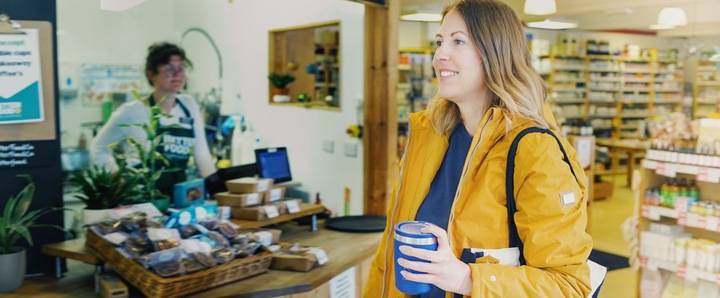 Get reusables back on the menuWe’ve seen a massive increase in plastic pollution since lockdown lifted and take-away packaging is a big part of the problem. Now is not the time to backtrack on single-use plastic. We need to build back better and create a new normal – one that values our resources and champions reuse over single-use. Whilst we completely understand that this is a challenging time for many foodservice businesses, reusables CAN be used safely and accepting them doesn’t have to be complicated – in fact, it can be super simple. Over 100 scientists have confirmed that reusables are safe to use, and at City to Sea, we’ve shared practical guidance for businesses to support them in accepting reusable cups and bottles. We can stay safe and look after the planet. Pret, Starbucks and Costa Coffee, the UK’s largest coffee chains, and a number of forward-thinking independent businesses have now started accepting reusables again and now Starbucks has followed their lead. We believe if Costa Coffee, Starbucks, and hundreds of planet-protecting independent businesses can do it, so can they! These businesses make up a HUGE share of takeaway sales within the UK. By refusing to let their customers choose to reuse, they are contributing to a mountain of completely avoidable waste. • In the UK, we make our way through an estimated 2.5 BILLION disposable coffee cups a year • And over 7.7 BILLION plastic water bottles . • The production of disposable coffee cups is responsible for the felling of a million trees a year, • And uses around 1.5 BILLION litres of water, stripping our planet of precious natural resources at a time when we should be protecting it. Want to do more? 1. Share this petition with your friends, family and everyone you know! 2. #ChoosetoReuse – carry your reusable bottle, cup and containers and tell the world that reusables are BACK and they are here to stay. 3. Download the free Refill app to find Refill Stations near you. 4. Celebrate the amazing, planet protecting businesses that ARE accepting reusables by showing them some love on social media and with your wallets. 😊 5. If you find a business that’s NOT accepting refills, share @CitytoSea’s #ContactlessCoffee campaign & @Refill water guidance to help them get on board. Tag them on social media & ask them to join the #RefillRevolution This campaign is supported by : - Break Free From Plastic - Greenpeace UK - Friends of the Earth - Marine Conservation Society - Surfers Against Sewage - We Have The Power - Everyday Plastic - Green Goblet - Muuse - Unpackaged - Conscious Cup - Chilly's Bottles - KeepCup - Sustain - Less Plastic - Green Alliance - Beach Guardian19,033 of 20,000 SignaturesCreated by Natalie Fée
_copy.jpg)
-
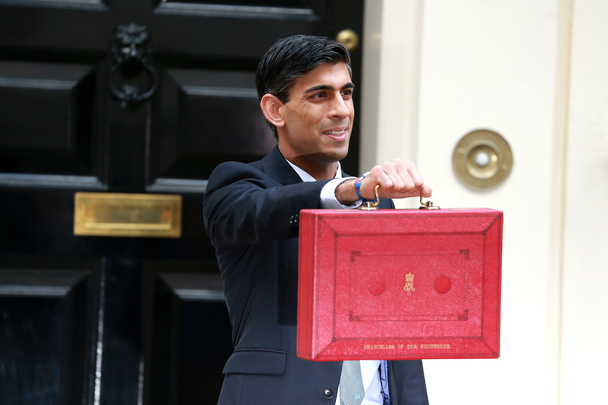 MAKE OUR TAX SYSTEM FAIREROur tax system is deeply unfair. People who make their money from selling second homes and expensive artworks pay much less tax than the majority of us when we pay tax on our income. With the government looking at how to recoup the billions it’s spent during the coronavirus crisis, increasing tax on these profits - called Capital Gains Tax - would be a fair way of helping cover the cost. It would mean the government wouldn’t need to make cuts or increase taxes that would make life harder for frontline workers, NHS staff and all those who have struggled to make ends meet over the last few months.93,872 of 100,000 Signatures
 -
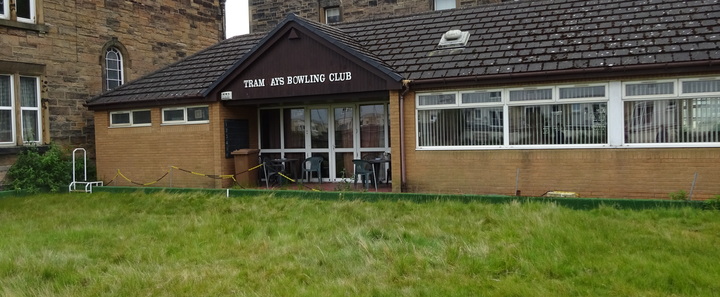 Save Tramways Bowling Green for PilrigThe Tramways Bowling Club, now closed, goes back over a hundred years. Their green was gifted to them by the old Edinburgh Tramways Company. Lothian Buses inherited it by pure luck. Now they want to take it from the local community and sell it to a private developer, flying in the face of Edinburgh Council's policy to provide more green spaces. It is totally unsuited for commercial development, being situated in the corner of a quiet crescent in the corner of Pilrig and surrounded by homes. A local charity, with the agreement of the club, were going to turn it into a public garden for the local population. Edinburgh Council own Lothian Buses and should tell them to hand the site over.692 of 800 SignaturesCreated by Terence Anthony
 -
 For effective traffic policingThis is an essential matter of road safety, public order and public health. The pandemic has reminded us of the necessity to protect the NHS. A crucial part of protecting the NHS is to prevent injuries and harm from happening in the first place. The proliferating noise nuisances resulting from the lack of law enforcement, in particular of section 59, are blighting lives and causing long term damage to public health in many communities.86 of 100 SignaturesCreated by Emmanuel Raymond
 -
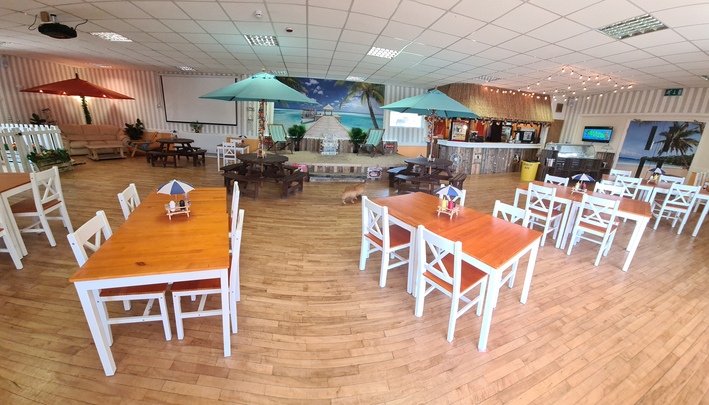 Support Manor Farm Dog & Sports ComplexFor over 6 years now we as a family have taken pride in caring for the Manor Farm 22 acre site. When we moved in it was heading into ruins with vandalism and lack of care. My family and I were welcomed by the local residents and community and we felt obligated to do what we can to make this site enjoyable to all. In doing so we have been pleased to offer our dog day care and dog homeboarding service since 2014 along side all of the other benefits to the site. Many of you may have heard of our dog cafe that opened 3 years ago in Wythenshawe called "The Beach Dog Cafe". We have now moved our cafe to this muched loved site. In order to do this planning permission is required. And since our overall concept is unique some of our other services are being reviewed. So we need your help. We know our ambitions are big for our Manor Farm site and the service we offer and we are looking for support to help bolster our application. Our 22 acre site will be more than a café and day care, it will be a focal point for the community - combining sports, outdoor recreation, a dog café, as well as a rewarding dog day care and dog home boarding service. And if that wasn’t enough, we will have indoor space for small gatherings, exercise and fitness, as well as workshops and space for community organisations. The Manor Farm site located in Timperley has lacked a purpose for many years now but we feel combining these interests will offer fun, exercise, mental wellbeing along with community spirit for all to enjoy. Please support us by signing our petition to grant planning permission to open our doors. Many thanks From Tony, Tania & all of our staff866 of 1,000 SignaturesCreated by Tony Golden
 -
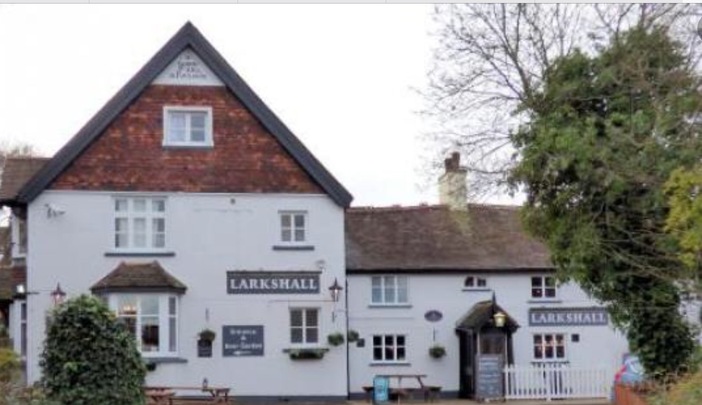 Save The Larkshall PubA Local Pub provides a central base for many community activities , A meeting place for Residents who may live alone , Quiz teams, Local Crib / Darts Leagues ,365 of 400 SignaturesCreated by Tom Quigley
 -
 Make sure no child in the UK goes hungryThe coronavirus pandemic will dramatically increase unemployment and poverty. Many people are already struggling to put food on the table and this is only going to get worse. The government needs to act fast to stop children in the UK going hungry. A lack of nutrition at an early age can cause huge problems later on in life and stops children from being able to concentrate at school. One of the solutions recommended by the national food strategy is to expand free school meals and holiday hunger schemes from children for all households on universal credit. It’s a simple way to help ensure children across the UK are getting enough food to eat.109,858 of 200,000 SignaturesCreated by Jessica Khan
 -
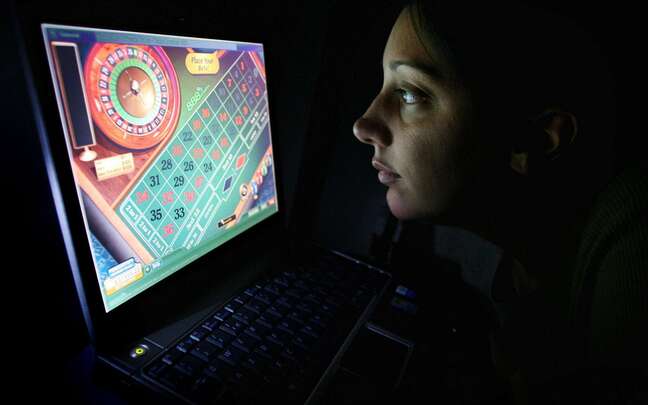 Introduce a £2 maximum stake for online betting games and slotsAddictive gambling websites that allow people to potentially bet hundreds of pounds every minute are plunging people into life-changing debt. In 2019 the government introduced a new £2 maximum stake on betting terminals in high street bookmakers but no such limits apply when gambling online. It’s never been easier to gamble online with hundreds of websites and apps available for those who wish to take part but with no maximum bet it means that people with gambling problems are at risk of falling through the cracks During the COVID-19 crisis the amount of money being wagered online has increased at an alarming rate where people have switched from betting shops to online gambling. If the government sees hundreds of thousands of us have signed a petition calling them to crack down on highly addictive online slots and games, it could be enough to persuade them to introduce a £2 maximum bet and change people's lives for the better.1,346 of 2,000 Signatures
 -
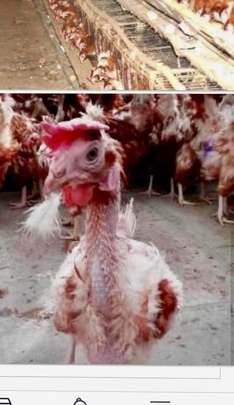 STOP Tesco’s selling caged eggs now!STOP Tesco’s and other establishments using this barbaric treatment of these innocent creatures!... To bring awareness of what supermarkets are honestly ensuring regarding sustainable cruelty free sourcing.. To be aware of what supermarket chains are in fact working toward by improving all animal welfare!164 of 200 SignaturesCreated by Eileen Hardie
 -
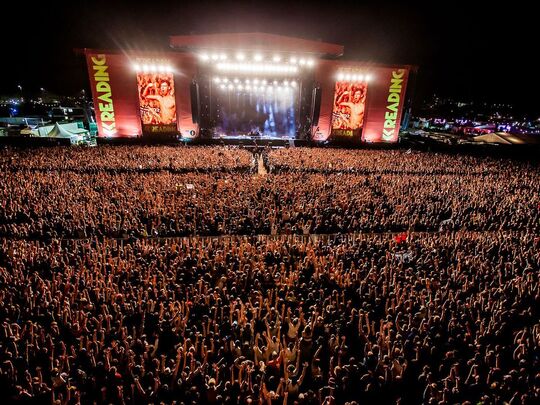 Viagogo: Refund customers for cancelled eventsThousands of people are being left out of pocket after buying tickets for events before the coronavirus crisis, Multiple events including music festivals have either been cancelled due to the pandemic but leading ticket website Viagogo are refusing to refund customers. Viagogo are instead claiming the events have been postponed, even when the organisers confirm they have been cancelled. Viagogo have a history of dodgy dealings with many claiming they are a glorified ticket tout and have been criticised in the past by leading figures in the music industry, MP’s and campaign groups. Sign the petition today to make sure customers are not left out of pocket for events they can no longer attend1,157 of 2,000 Signatures
 -
 Speeding Vehicles on Thornhill RoadMany residents in Streetly cross Thornhill Road to access Sutton Park for walks and bike rides. This can be particularly hazardous due to vehicles travelling well in excess of the 30mph speed limit. We would like the Council and Police to take action against these drivers and create crossings to allow access to the park in a safe manner.480 of 500 SignaturesCreated by Geoff Mason
Hello! We use cookies to improve your experience by providing insights into how the site is being used. Find out more.