-
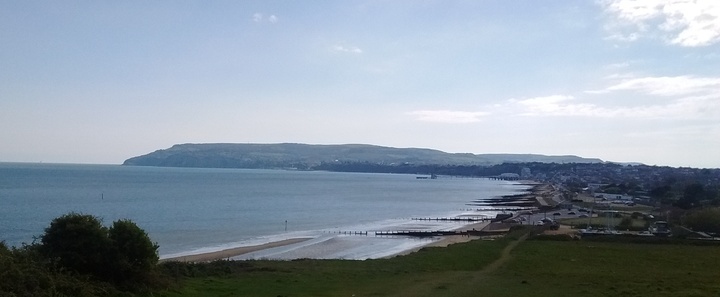 No new oil drilling on the Isle of WightThe Isle of Wight cannot afford to have its freshwater drinking supply contaminated by proposed oil drilling. During the drilling process, high strength acids and chemicals are forced into the rock to get to the oil below our pure fresh water source. UKOG submitted a planning application and announced that drilling will go ahead if their planning application to the council is successful. Please go to IOW Council website to voice your concerns "the proposal to drill for oil on the island by UK Oil and Gas resulted in a full planning application to Isle of Wight Council which was rejected but that decision is now potentially being appealed by UKOG. It is absolutely vital that the people who sign your petition write to the planning department of the Isle of Wight to make their objections known. All the details are given on the following website with easy to follow suggestions to make your objections: https://www.dontdrillthewight.co.uk/..." -DontDrill the Wight We are keeping this petition open in the possible event that UKOGs appeal might be successful. In October 2021 we delivered 4110 signatures to IWC by hand and the initial application by UKOG was rejected. Oil drilling would contribute to the destruction of the natural environment on the Isle of Wight, the quality of water and would increase the impact of climate change.4,471 of 5,000 SignaturesCreated by BLUE SEAS PROTECTION
 -
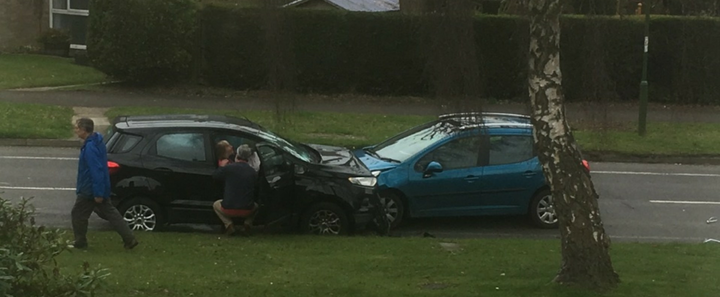 Slow Down for St LeonardsThe area has four schools and two playgroups serving hundreds of children and families, as well as many retired residents, cyclists, dog walkers and joggers. The road is a busy route and frequent speeding and dangerous driving has been observed despite the 30mph residential area limit. There have been 10 collisions in the last four years (source: https://www.westsussex.gov.uk/roads-and-travel/road-safety/accident-locations-map) and we want to prevent this happening in the future with the introduction of measures to reduce speeding and make it safer to cross the road. • We are calling for a pedestrian crossing near the junction of St Leonards Road and Brambling Road. • We also want more signage, police patrols and community support to slow down the road. • We urge all drivers to take care and remember the speed limit is 30mph. Please sign our petition urging West Sussex County Council to put in a pedestrian crossing in St Leonards Road before someone dies. Thank you for your support – together we can make a difference. If you have any comments or would like to get involved you can contact us on 07799 267486.266 of 300 SignaturesCreated by Slow Down for St Leonards
-
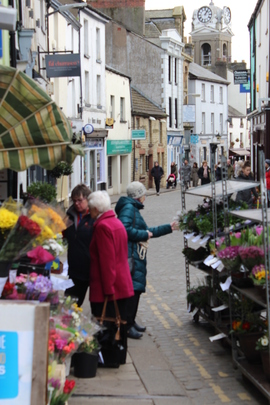 Clean Air for UlverstonTraffic fumes kill more than 20 times more people than road accidents (40,000 compared to fewer than 1,800) and damage health - including children's lungs. Research says making streets traffic-free can increase footfall and trade by up to 40 per cent. That and a 20mph limit would make the town a healthier and more pleasant place to live.154 of 200 SignaturesCreated by Harry Brunskill
 -
 Save the trees of Baginton Fields Nature Reserve , CoventryBecause this area has very many trees and has a large biodiversity and is very important to the environment and peoples mental wellbeing when they visit it . This area is an amenity and we believe that they are under threat of upcoming development , under Government guidelines they should be given preservation orders in such circumstances.180 of 200 SignaturesCreated by Carl Husband
-
 Ban shark fin soup and the sale of shark fins in the UKShark populations around the world are in rapid decline. Sharks grow relatively slowly, take many years to mature and produce relatively few young. These characteristics make sharks, like this porbeagle, particularly vulnerable to over-exploitation. This vulnerability is exacerbated by the large and growing demand for shark fins and the general lack of management of shark fishing. Populations simply cannot replenish at the same rate as they are caught and finned to meet market demand. Banning the sale of shark fins and shark fin soup in the UK will be one step in the right direction to protecting all species of shark around the globe. It is cruel to leave sharks to die in the ocean with all of their fins removed from their bodies. Help put an end to the endangerment and cruelty to sharks and make the UK a better place.172 of 200 SignaturesCreated by Daniel Bethell
 -
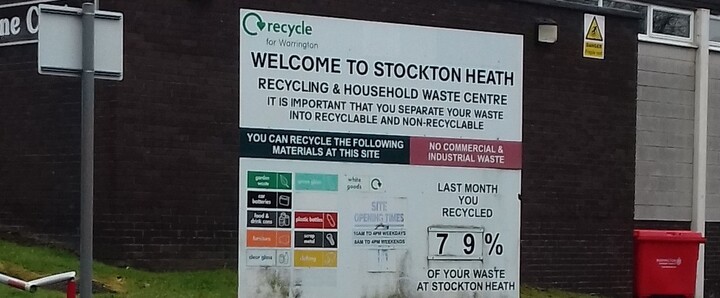 Save Sandy Lane - waste site under threat - again!Opening hours at Sandy Lane have already been reduced but the closure of Sandy Lane will mean residents of South Warrington are faced with journeys across the town, to recycle their rubbish. This only contributes to Warrington's traffic congestion, something we wish to reduce. Please sign this petition to urge the Council to keep Sandy Lane open - or provide alternative recycling facilities in South Warrington1,488 of 2,000 SignaturesCreated by Judith Wheeler
 -
 No charge for green wasteThe citizens of Suffolk Coastal already pay significant amounts of council tax, in which waste disposal is included. There is no reasonable explanation to why we should be trying to find extra funds to support a service that is already included.871 of 1,000 SignaturesCreated by Jon Green
 -
 Cancel your plans to close our rural public toilets!With the increasing popularity of the North Coast 500 (NC500), promoted in part by Highland Council, we are seeing ever-growing numbers of visitors to the NW Highlands and these people also require access to facilities in order to avoid more cases of human waste being left by the roadside. As part of its budget proposals for 2018/2019 Highland Council are closing public toilets at the following locations in the county of Sutherland: Achmelvich, Kinlochbervie, Rhiconich, Scourie, Smoo Cave, Lairg, Kylesku, Talmine, and Tarbet. The total estimated savings come to just £67,000 per year yet we consider these to be essential services, both for local people and tourists & others visiting the area. Additionally, these closures will discriminate against the elderly, infirm, disabled, and those with long-term illnesses whose ability to do without a regular rest break is impaired. Highland Council's suggested alternatives, such as making use of facilities in nearby businesses and village halls, are both impractical and presumptuous. Do the decent thing, Highland Council: Scrap your plans to close these public toilets.6,888 of 7,000 SignaturesCreated by Gary Sutherland
 -
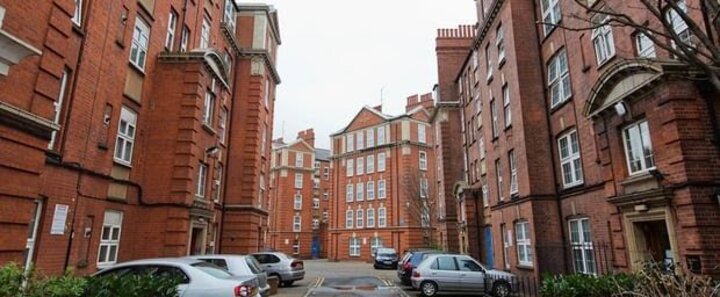 Protect Sutton Estate From DemolitionThe preservation of the Sutton Estate is strongly supported by The Victorian Society due to its fine architecture, historic value and its contribution to the Chelsea Conservation Area. Furthermore, RBKC have given no explanation whatsoever for why the Estate was not originally included in the Conservation Area, since all other buildings of that period are, and as a result remain protected from demolition. The Sutton Estate is an Edwarian social housing estate completed in 1913, the largest ever built at that time, comprising 16 red-brick blocks, designed by renowned architect Edward Charles Philip Monson. It was founded in 1900 with the funds of entrepreneur and philanthropist William Sutton who left his fortune to provide housing for the poor. Clarion Group (who took over Affinity Sutton) propose to demolish the historic estate and replace it with an ugly modern block which The Chelsea Society calls “bland and lacking in character”, with a large part of the land to comprise luxury housing. James Hughes of The Victorian Society wrote in support of the estate's preservation, saying “Sutton Dwellings is an early example of social housing which makes a positive contribution to the local area and sits well with the 1915 Samuel Lewis Trust Dwellings opposite. With its handsome proportions it is unsurprising that many residents are unhappy at leaving...Affinity should spend its money on sensitive restoration rather than demolishing this early attempt to address inequality in London.” There has now been a date set, 9th May, for the appeal of their plan, which was rejected on the grounds that it did not provide enough replacement social housing. The new plan will still fall short in social housing by 70 apartments.3,026 of 4,000 SignaturesCreated by JANE SOLOMON
-
 Fighting for the future of Stockton Heath Recycling CentreAlthough the Stockton Heath site is the smallest of Warrington’s three recycling centres it is considered by many to be the busiest. Residents from Stockton Heath, Appleton, Grappenhall, Thelwall, Walton, Stretton, Hatton and Lymm use the Centre. If the Stockton Heath facility is closed, local residents will have to travel across town to dispose of their rubbish. It is important that we show the strength of local opposition to the loss of the facility.202 of 300 SignaturesCreated by Faisal Rashid MP
 -
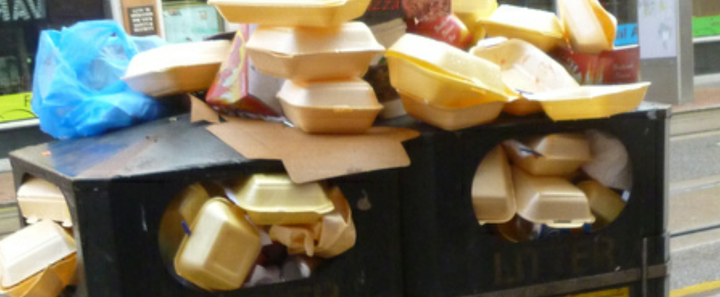 Ban use of polystyrene in Uk takeawaysTo reduce the environmental impact of this unnecessary waste.2,457 of 3,000 SignaturesCreated by Johanna Herron
 -
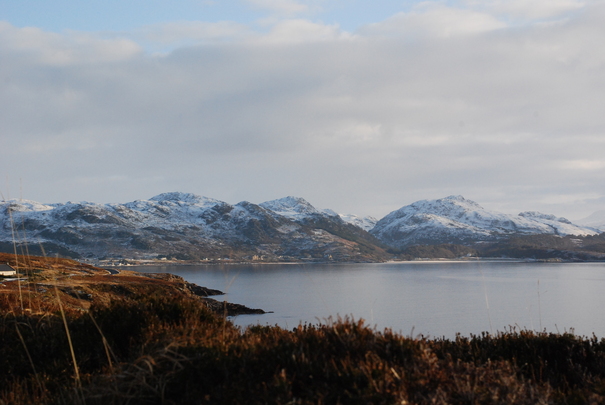 Gairloch downgrading of sewerage system1. Health (how wants sewerage in water) 2. Marine environment (The sea Life will be affected) 3. Economy (Gairloch is fishing port and highly dependent on tourist trade)385 of 400 SignaturesCreated by Jackson Elder
Hello! We use cookies to improve your experience by providing insights into how the site is being used. Find out more.