-
Regulate pub gambling machines — protect people, not profitsI know first-hand how quickly gambling can spiral out of control. Unlike a casino or bookmakers, where staff are trained to spot distress, where you can self-exclude, and where you cannot gamble while drunk — pub machines have none of those protections. Anyone, in any state, can feed money into a highly addictive machine with no intervention, no limit, and no way out. These machines sit in the corner of pubs specifically to catch people at their most vulnerable. That is not a loophole — it is a policy choice, and it is costing people their money, their mental health, and in some cases their lives. It has to change.26 of 100 SignaturesCreated by Timothy Shaw
-
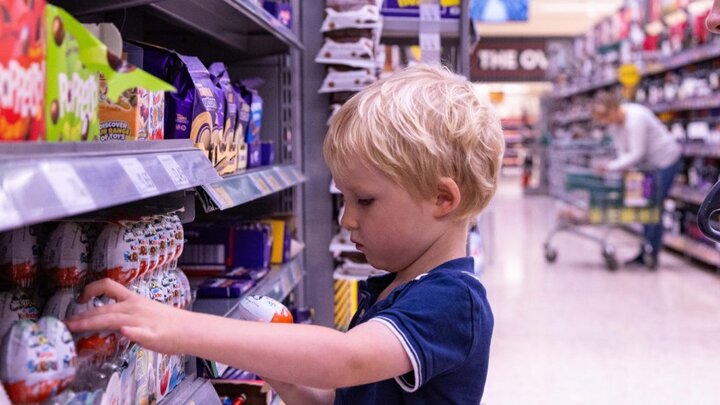 We need healthier food on our shelves!Across the UK, supermarkets and manufacturers flood our shelves with unhealthy products, push promotions on unhealthy food, and make healthier options harder to find and more expensive. Meanwhile, food-related ill health is rising and the NHS is paying the price. This is a direct result of commercial decisions. Food companies shape what we see, what’s promoted and what’s affordable. They have the power to make food healthier, but they won’t act unless they are required to. In the meantime, food-related ill health is rising, children’s health is worsening, and the NHS is under strain. Voluntary action from industry has failed. This is a collective public call to demand that Government to hold big food accountable for providing us with healthy, affordable food.6,666 of 7,000 Signatures
 -
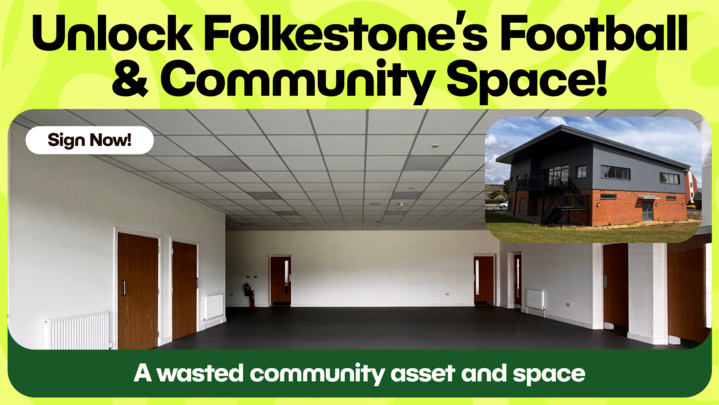 Unlock Folkestone’s Football & Community Space!We are calling for the unused space above the changing rooms at The Stadium on Church Road, Folkestone to be properly utilised for the benefit of the local community. After learning more about the situation from the Council, we understand that the space has been largely unused for around five years, since the facility was built by Taylor Wimpey. The MOD currently controls the space and, as we understand it, only uses it around once a week, while retaining access to offices and a large shared area that are otherwise largely unused. Previous attempts by the Council to utilise the space have also been unsuccessful. What is particularly frustrating is that the space also goes to waste every Saturday and Sunday when football is being played at the stadium. Even a small business running a café and providing refreshments for players, parents and supporters could make an immediate difference. But in the long term, the large shared space could be so much more — supporting welfare and community meetings, yoga, drama, art, children’s activities, family events, local clubs and community groups. We believe this is a wasted community asset, and we are asking Taylor Wimpey, the MOD, the Council and other relevant organisations to work together to find a practical solution and finally put the space to use. Please sign this petition to show your support for turning an unused space into a genuine community asset for the people of Folkestone.259 of 300 SignaturesCreated by Radnor Park Rovers
 -
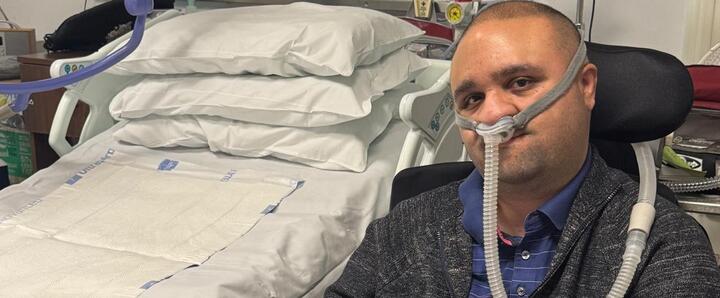 Reinstate Ravi Mehta's NHS Care Package So He Can Finally Go HomeRavi suffers from Duchenne Muscular Dystrophy, a severe muscle‑wasting condition with a very short life expectancy. Every day Ravi remains in hospital is another day he is prevented from living his life, working, seeing friends and family and exercising the independence that many people take for granted. Ravi is just 37 years old. He has been medically fit to leave Royal Brompton Hospital, London since 11 September 2025, yet he has now spent 11 months stuck on a hospital ward because the specialist care he needs to live safely at home has not been put in place. Ravi has full mental capacity and wants to return to his own home; not move into a care home. Before this, he lived independently with a Personal Health Budget, worked part-time for a charity, loved football and enjoyed an active life. Now, without the support he needs, Ravi says he feels he is "rotting away" in hospital. His physical and mental health have deteriorated, and with a limited life expectancy, every unnecessary day he spends there is time he can never get back. The ICB has stated that decisions in Ravi's case have not been driven by cost but by clinical safety, governance responsibilities and the need to secure a safe long-term solution. Regardless of the reasons, the outcome remains that a medically fit disabled man continues to be detained in hospital when he wants to live at home with appropriate support. Hospital is not a home. Disabled people should not remain in hospital indefinitely because suitable community care has not been secured. https://www.gofundme.com/f/raise-funds-for-ravi-to-get-legal-help-to-leave-hospital1,130 of 2,000 SignaturesCreated by DANAI NARDI
 -
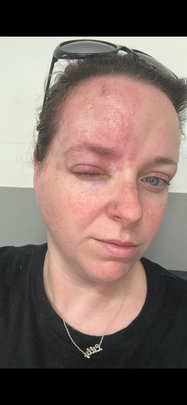 To young to qualify, old enough to sufferAfter spending the last 7 weeks extremely unwell with shingles, I would like to try make a difference and get vaccination age changed! This is the second time I’ve had shingles and unfortunately this time round I was very poorly. It was on the left side of my face which cause swelling and I lost sight in my left eye for 10 days, the shingles had spread and I suffered a seizure and also had brain inflammation. This led to a 2 weeks stay in hospital with iv antivirals and pain relief. I’m no longer able to drive and struggle with pain still. As this is a virus that lays dormant I will likely have another flare up. Now as I’m under the age of 50 I’m not entitled to the shingles vaccination, I’m only 33 and my belief is that anyone who has suffered in the way I have should be entitled to have this vaccination! Thank you for taking the time to read my brief story and I’m hoping you can show your support. Thanks again Natalie Franklin.153 of 200 SignaturesCreated by Natalie Franklin
 -
 Health Care Independent InvestigationsIf there is a plane accident then the Air Accident Investigation Branch fully investigates. Likewise if there is a train crash the Rail Accident Investigation Branch looks into it. But what happens if things go wrong in Health Care? The much delayed Thirwell Inquiry, looking into the Countess of Chester Hospital, is believed to recommend that the police get involved much earlier when things go wrong in health care settings. But with due respect to the police they do not have the expertise, competence or manpower to actually investigate what really happens. This matters to me because there have been a miscarriages of justice in the Health Care sector where the police got involved when it was a breakdown in the system. We can see this at the moment with the case of Lucy Letby, a neonatal nurse, who was found guilty of murdering many young babies. The police got involved when a proper independent medical investigation, that looked at the whole hospital setting, was not carried out. To put this type of investigation onto the police, who are not experienced in medical matters, is not fair to them nor to those accused. That is why police don't investigate air or train crashes - because there are independent, expert qualified professionals to do this.4 of 100 SignaturesCreated by Peter Kazmierczak
 -
 Free Home CareOur vision is for a National Care Service with free home care at its heart, placing social care on an equal footing with the NHS. We believe that home care should not be viewed simply as a private act of love performed by families, but as a collective responsibility that we all share. Just as Aneurin Bevan drew inspiration for the NHS from a successful local model in his hometown of Tredegar — the Tredegar Medical Aid Society — we similarly look to the innovative free home care model established in Hammersmith & Fulham in 1991 by the late Iain Coleman MP, alongside Dame Sally Powell and Stephen Burke, as a guiding example for our vision of social care. The outcomes in Hammersmith & Fulham speak for themselves: The latest figures show that 7.5 people per 1,000 receive home care — the highest rate of any London borough. ASCOF data indicates that the borough had the 4th lowest number of residents in care homes of all local authorities in 2024–2025. Discharge outcomes are particularly strong, with the borough consistently ranking highly for the number of individuals staying at home 91 days post-discharge — it ranked 5th nationally in 2023–24. Notably, home care is significantly more affordable than hospital beds or residential care options. In 2026–2027, only 16% of the borough’s £123 million adult social care budget was allocated to free home care, in stark contrast to the 33% spent on residential care, despite the relatively low number of people living in care homes. Baroness Casey made the powerful observation that social care, unlike the NHS or the benefits system, has never had its own “creation moment” — no founding settlement, no defining national mission, and no equivalent of 1948. At the same time, many people across the country are frustrated by the pace and scale of national change and are seeking bold yet pragmatic ideas to transform everyday life. We believe that establishing a National Care Service with free home care at the point of need at its heart could create a modern Bevan-style legacy, delivering the transformational change in social care that people are seeking.161 of 200 SignaturesCreated by Emma Robbins
-
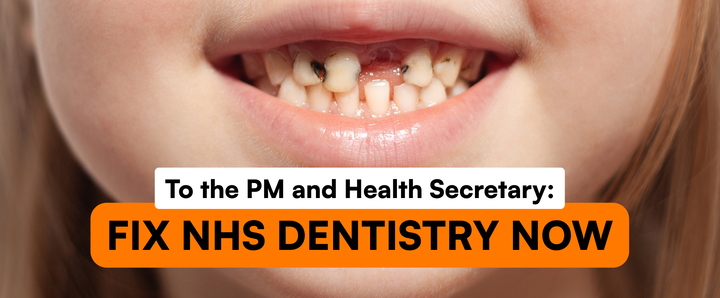 Fix and fund NHS Dentistry NOW!Thirteen MILLION of us are still locked out of dental care. After two years of ministers promising to finally fix NHS dentistry, shocking new data just revealed that almost nothing has changed. That is simply not good enough. Kids in A&E screaming in agony from tooth pain? Not good enough. Pensioners pulling out their own teeth because they can’t afford to go private? Not good enough. Half-baked tweaks to the system but no money to back it up? Not good enough. Enough is enough. Our new PM Andy Burnham actually started trying to fix NHS dentistry back when he was Health Secretary. Now he’s got a huge chance to pick back up where he left off. Think he should make it a priority? Sign the petition now.54,342 of 75,000 SignaturesCreated by British Dental Association
 -
Mandate Universal Baseline Screening for Bartonella Henselae Across All Medical FieldsThe "Stealth" Pathogen Argument: Bartonella henselae mimics dozens of automated autoimmune, neurological, and psychiatric conditions, making full-spectrum screening necessary to rule it out. • The "Stealth" Pathogen Argument: Bartonella henselae mimics dozens of automated autoimmune, neurological, and psychiatric conditions, making full-spectrum screening necessary to rule it out. • Economic Benefit: Universal upfront screening prevents years of expensive, incorrect treatments for misdiagnosed conditions. • Advanced Testing Availability: Modern PCR and specialized multi-species testing make wide-scale screening more viable than older culture method Because Bartonella perfectly duplicates the physical presentation, laboratory markers, and imaging results of these other illnesses, clinicians will naturally diagnose the more common or prominent condition first. The primary factors driving this incredibly high potential for misdiagnosis across all these conditions include: 1. High Diagnostic Failure Rates (The Testing Gap) Standard diagnostic tools routinely miss active Bartonella infections, leading doctors to rule out an infectious cause prematurely: • Serology Limitations: Standard blood antibody tests (ELISA and IFA) have highly variable sensitivities, regularly dropping below 70%. In chronic or atypical presentations, patients frequently test completely negative for antibodies while still harboring the bacteria in their blood or tissue. • Elusive Microbe: Bartonella henselae is a fastidious, slow-growing, intracellular bacterium. It hides inside red blood cells and endothelial linings, making it virtually impossible to catch on standard blood cultures. 2. Pathological Mirroring (The Imaging Trap) Bartonella does not just mimic symptoms; it physically alters tissue in ways that mimic other chronic diseases: • Granulomas: It triggers the formation of necrotizing granulomas, which a pathologist looking at a biopsy can easily mistake for Tuberculosis or Sarcoidosis. • Angiogenesis: It forces the body to rapidly grow abnormal new blood vessels. On an MRI or a skin biopsy, this cellular proliferation is incredibly difficult to differentiate from vascular cancers like Kaposi Sarcoma. • Lymph Node Mimicry: On PET scans and CT imaging, Bartonella-induced lymphadenopathy shows the exact same metabolic hyperactivity and structural swelling as active Lymphoma or Leukemia relapses. 3. Neurological Overlap Because the bacteria can cross the blood-brain barrier and cause severe localized inflammation, the resulting nerve degradation and cognitive dysfunction are structurally identical to Multiple Sclerosis (MS) or ALS. Without specialized testing (like advanced PCR or metagenomic sequencing), there is no clinical way to distinguish the symptoms from a primary neurodegenerative disease10 of 100 SignaturesCreated by Lee Dobson
-
Ban adverts for alcohol and gambling.I'm a recovering addict on all levels. Not just gambling and alcohol. It just dawned on me now that I can't watch TV in the summer without a strongbow ad or a beer garden ad. And as for the " drink and gamble responsibly" line ? You can't read it in the small print even with glasses.5 of 100 SignaturesCreated by Rhian Hegarty
-
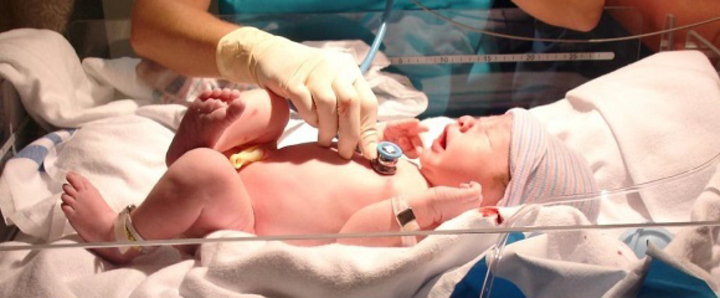 Keep all wards at Liverpool's Alder Hey Children's Hospital open!They're planning to close an important ward at Liverpool's Alder Hey Children's Hospital, that treats sick children in need of care- not just from surrounding areas but from all over the country and abroad, and it's downright irresponsible. Mothers will be horrified that an important Children's Hospital wants to close a ward at a time where we hear stories of long waiting lists and patients being treated in corridors. The Health Secretary MUST step in and make sure all wards at Alder Hey are kept open.3,884 of 4,000 SignaturesCreated by David Patterson
 -
Pennington calisthenics parkPennington Common is the heart of our community — a beautiful green space used by families, dog walkers, and residents of all ages. But it’s missing something important: a dedicated outdoor fitness area for everyone. We propose installing a Calisthenics Park (outdoor street workout area) on the Common, ideally near the existing playground. This would include pull-up bars, dip stations, parallel bars, and bodyweight equipment — completely free to use. Why we need it: • Provides affordable, inclusive fitness for all ages and abilities • Supports physical and mental health in the fresh air • Gives teenagers and young people a positive place to hang out and train • Encourages community connection and active lifestyles • Low maintenance and can be designed sensitively to fit the Common’s natural setting A modern calisthenics park would complement the playground and turn part of Pennington Common into a true community wellness hub. We urge Lymington and Pennington Town Council and New Forest District Council to support this proposal and help make Pennington fitter, healthier, and more vibrant. If you believe our community deserves better outdoor fitness facilities, please sign and share this petition. Together, let’s bring fitness and nature together on Pennington Common.14 of 100 SignaturesCreated by Alfie Harrowven
Hello! We use cookies to improve your experience by providing insights into how the site is being used. Find out more.