
-
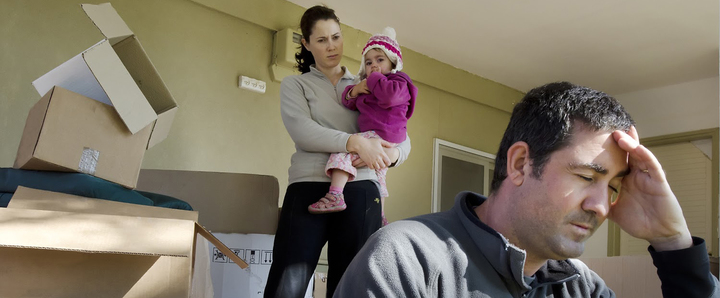 Stop super small homes being created in the UKAt the moment, anyone wishing to convert existing office buildings do not have to go through the procedure of getting planning permission from local authorities. This means that more and more flats are being built which do not meet the standard requirement for living. Some of these flats have been described as a “human warehouse” with residents living space measuring as small as 13ft by 13ft. Living in such a small area can cause people’s physical and mental wellbeing deteriorating. There is no excuse for developments like this. We are calling on the Government to change the rules around office to flat conversions and make developers seek planning permission. https://www.designingbuildings.co.uk/wiki/Minimum_space_standards6,287 of 7,000 SignaturesCreated by Sasha K
 -
 OPEN LETTER: END UNFAIR EVICTIONS FOR GOOD!Everyone deserves to call a house a home. We need a housing system that puts people before profit. Right now, a law called section 21 means landlords can evict renters with just two months’ notice without being given a reason. This law allows landlords to respond to a request for a repair to be made by carrying out a “revenge eviction” on their tenants. The Government is currently consulting on ending section 21 and replacing it with new laws. We want to ensure that these new laws abolish unfair evictions and provide safe, secure and fair homes for tenants. Renters need more control over their housing situation.58,826 of 75,000 SignaturesCreated by Generation Rent
-
 Open Brighton & Hove's Homeless Night Shelters 365 Days a YearThis is important to prevent people becoming entrenched in rough sleeping. People find themselves homeless for all sorts of reasons and are entitled to receive safe shelter and professional support immediately. In the first seven months of 2019 alone, 19 deaths of homeless people have been reported in Brighton and Hove. Please sign this petition to put pressure on Brighton and Hove City Council to do more to prevent further deaths.312 of 400 SignaturesCreated by John Hadman
 -
.jpg20190812-24926-hjyua5.jpg) Save Quarriers James Shields Project, GlasgowQuarriers James Shields Project has been delivering vital homelessness accommodation and support to young people, 16 - 25 years old, in the Glasgow area for over 20 years. The young people who use the service have complex situations including, histories of abuse, mental health difficulties and a lack of support. Some are completely isolated Asylum Seekers. This service is now being closed. At a time when Scotland has the highest drug death statistics in Europe and increased suicide, the loss of such a vital service, with no established alternative, will potentially have life threatening consequences for some young people. The safety of young people is the obvious priority for this petition, however Glasgow is also on the verge of losing 28 trained, specialised staff, who have been invested in with tax payers money. It is essential that young people, who have often been unprotected in childhood, continue to have access to safe, supported accommodation when in the crisis of homelessness.550 of 600 SignaturesCreated by Frances Curran
Save Quarriers James Shields Project, GlasgowQuarriers James Shields Project has been delivering vital homelessness accommodation and support to young people, 16 - 25 years old, in the Glasgow area for over 20 years. The young people who use the service have complex situations including, histories of abuse, mental health difficulties and a lack of support. Some are completely isolated Asylum Seekers. This service is now being closed. At a time when Scotland has the highest drug death statistics in Europe and increased suicide, the loss of such a vital service, with no established alternative, will potentially have life threatening consequences for some young people. The safety of young people is the obvious priority for this petition, however Glasgow is also on the verge of losing 28 trained, specialised staff, who have been invested in with tax payers money. It is essential that young people, who have often been unprotected in childhood, continue to have access to safe, supported accommodation when in the crisis of homelessness.550 of 600 SignaturesCreated by Frances Curran -
 Introduce Rent Controls in LondonCities across Europe - Berlin, Paris, Amsterdam already have systems of rent control. Westminster needs to step up and give the Mayor of London rent control powers, and the Mayor of London needs to make sure that these are implemented as soon as possible - so we can afford to live in London.7,628 of 8,000 SignaturesCreated by Darren Ely
 -
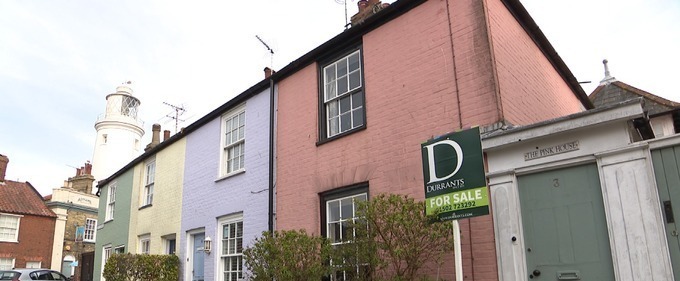 Build 100 affordable homes in SouthwoldSouthwold is dying because local people are being priced out of homes by holiday lets. Two thirds of homes are holiday lets. The average house price is 21 times the average wage. We need 100 more affordable homes to rent quickly before our community dies. Our average age is 65. We want to hear children playing on our greens again. We want a vibrant community that welcomes visitors but is not banished by them. The government still subsidies second home owners who pay no rates. Local homes are developed into five bedroom holiday lets. Cleaners are bussed in. This is social apartheid. East Suffolk Council say that we have enough affordable homes, when we hear 40 local people applied for one last week. We need 100 as soon as possible in Southwold Ward which includes Reydon and Walberswick, but definitely before the next Council elections in 2023. As seen on Anglia TV on Friday evening.394 of 400 SignaturesCreated by David Beavan
 -
 Stop holiday lets destroying our communitiesHoliday lets are ripping Scotland’s communities apart. In some places, there are now more holiday lets than normal homes for rent. That means families with nowhere to go are forced out of the places they’ve called home all their lives. But it doesn’t have to be like this. The Scottish government are asking the public for views on what to do about holiday lets, and together we can make sure we win real protections for our communities. The big lobbyists protecting companies like Airbnb will be working double-time to stop any new regulations that could hit their astronomic profits. It’s down to us to drown them out.13,779 of 15,000 SignaturesCreated by Emma Saunders
 -
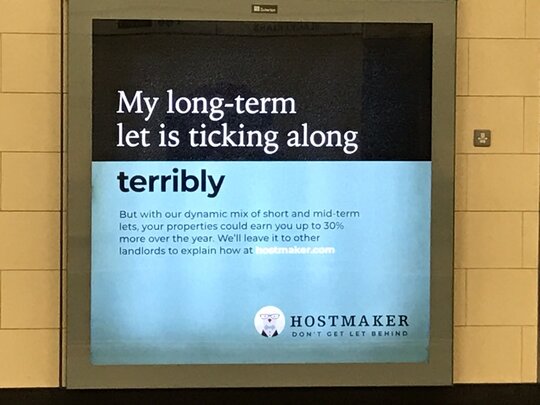 Sadiq Khan– Ban Hostmaker ads on TFLShort term lets are spreading across London, taking homes away from local renters, preventing people from living in the communities where they grew up, and pushing up rents. Hostmaker’s distasteful tube ad is undermining the Mayor of London’s plans to make housing affordable in London, by encouraging landlords to kick out their tenants to create holiday homes. We want the Mayor of London, Sadiq Khan, to ban Hostmaker ads from all Transport For London spaces Every day millions of people see these ads. Our Mayor-run transport infrastructure should be promoting organisations like Generation Rent and local renter unions, who are working to fix the housing crisis, rather than companies like Hostmaker who are actively making things worse.8,526 of 9,000 SignaturesCreated by Generation Rent
-
 BHCC: Safely house a domestic abuse & Trafficking survivorAbout "Zara" "Zara" is a recovering survivor of both Domestic violence and trafficking perpetrated by her daughters father. She is a British national who approached Brighton and Hove city council as homeless following the decision to flee her previous address known to her perpetrator and the trafficking ring he is affiliated with, after being turned down by refuge. She presented with ten years worth of evidence including her perpetrators firearms convictions. Despite all this the council have advised they wish to make "Zara" and her baby intentionally homeless. This experience is not new to her; having been intermittently homeless for ten years as a result of her experiences, perpetuated by the systemic refusal to acknowledge domestic violence as a cause of homelessness, she is a veteran of being at the receiving end of local authority discrimination, minimization, denial and eradication of what she has been thorough and thus her plight for safe housing continues. "Zara" is not a solitary statistic. Across the board domestic violence and trafficking survivors are being denied safe housing upon fleeing. With refuges facing ever shrinking funding cuts and local authorities selling off housing stock, survivors are at the tail end of a regime that fails to address the risk posed to lives when refused the means to escape. A drastic reform is needed of the public sector for housing, starting with BHCC who currently have the highest number of women sleeping rough nationwide.408 of 500 SignaturesCreated by Skye Z
 -
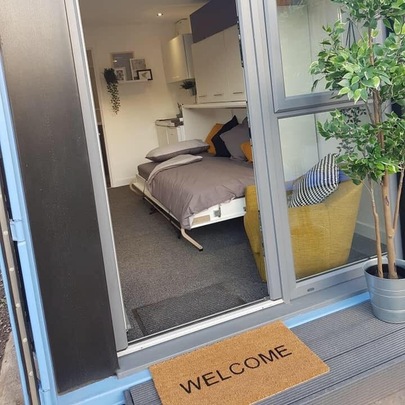 Use Sleeper Units For Rough SleepersThe sleeper units will provide shelter, warmth & safety and allow frontline services to provide vital support plus help accommodate people into permanent homes and instead of letting people sleep rough due to lack of safe temporary accommodation478 of 500 SignaturesCreated by Anthony Cunningham
 -
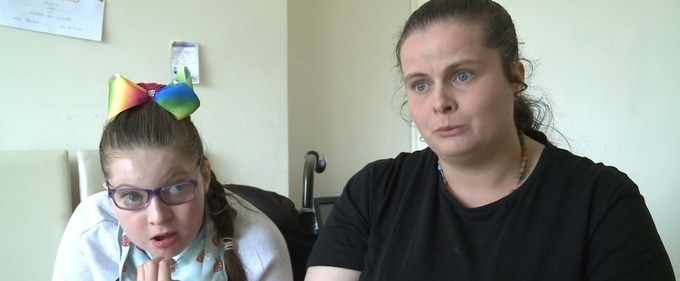 Hackney Council - don't force a family into a dangerously unsuitable hostelHackney Council is trying to force Margaret into a hostel that is not fit for the needs of her family. Margaret's daughter and mother are both disabled and require 24/7 care, but this move will mean Margaret cannot care for them because of practical issues like rooms being far apart in the hostel. She would find it impossible to give them both the constant care they need. Margaret is in extreme distress. The shared kitchen in the hostel would also be dangerous given Margaret's daughters severe allergies. Margaret has been living in temporary accommodation in Homerton, for more than 3 years. The block of flats is due to be demolished and the council wants it cleared by the end of the month. The move would be extremely distressing for Margaret and her family. Hackney Council must promise not to force Margaret out of Marian Court until they can offer her permanent accommodation that meets her family's needs.559 of 600 SignaturesCreated by R Shin
 -
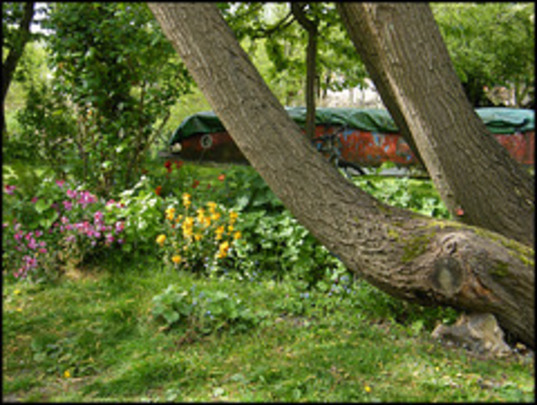 Save Castle Mill StreamCastle Mill Stream is a poorly managed backwater of the Thames in Oxford, a stretch of which is owned by Network Rail, who have no use for the land. However, it currently provides a much-needed home for those who live and work in a city in the midst of a housing crisis. These individuals are currently under threat of eviction, and no promises have been made by any organisation to properly manage the area as residential moorings. Please show your support by signing this petition. To find out more, read our story below. ---- Our Story: We are five resident boaters at Castle Mill Stream that runs alongside the Oxford Canal in Jericho. One of us has lived here 19 years and three of us for 4-6 years. We have been informed that the stretch of bank we are moored on (from the south end of William Lucy Way to opposite Combe Road) belongs to Network Rail. For years they have ignored it, but under pressure from Oxford City Council they put up signs on February 12 and attached letters to our boats on February 21 warning of eviction. In a statement the City Council have welcomed their action, linking boats on Castle Mill Stream to a long list of anti-social behaviours which they say the area has seen "in recent years". They are presumably including a much wider area than where we are moored. Only one incident has occurred on this stretch in the last two years - the presumed arson of an uninhabited plastic boat this winter. The fire service put it out but no-one cleared up the mess until we took half a ton of debris from the burnt hull and from a sunken boat to the dump. We agree that Castle Mill Stream requires proper management to prevent a cycle of abandoned boats appearing. However, we believe that the area and surrounding community is better off for the presence of permanent residential moorings. Stationary live-aboard boats provide the area with individuals who have a vested interest in the safety and upkeep of this otherwise dark corner of central Oxford. Charging mooring fees will prevent boat abandonment and make any anti-social behaviour less likely. The City Council have talked about possible future moorings on this site, perhaps financed by Canal & River Trust, but we are sceptical about how long this could take. We therefore believe that these moorings are best managed by the boaters themselves. This would ensure the area does not fall into further disrepair and attract more abandoned boats while waiting for C&RT to take action. It would also keep moorings affordable, preventing any further strain on the housing situation in Oxford. Official sites such as the Hythe Bridge Arm and the Agenda 21 moorings in North Oxford began as unofficial moorings. We have formed ourselves into a non-profit company, have applied to Network Rail to buy the land, and are preparing a planning application for residential moorings, including floating pontoons, a water tap and a sewage disposal point, all to be financed by our mooring fees.286 of 300 SignaturesCreated by Elliot Smith
Hello! We use cookies to improve your experience by providing insights into how the site is being used. Find out more.